Need book recommendations? Check out all 301 (and counting) books that I've read at Dad's Bookshelf.
THE Africa Reading List
( This list is permanently hosted as a page on this blog as well: http://fuuo.blogspot.com/p/the-fao-africa-book-list.html )
I try to update this list and repost it a few times a year.
Am I missing one of your favorites? Comment with your recommendations and I will add them.
ATTENTION: IS THIS LIST TOO OVERWHELMING? I'VE PUT TOGETHER A STARTER READING LIST HERE.
AFRICA
A Hunter's Wanderings in Africa: Being a Narrative of Nine Years Spent Amongst the Game of the Far Interior of South Africa (Resnick Library of African Adventure) by Frederick Courteney Selous
A Naturalist On Lake Victoria: With an Account of Sleeping Sickness and the Tse-Tse Fly by G.D. Hale Carpenter
A Savage War of Peace: Algeria 1954-1962 by Alistair Horne
A Year in Marrakesh by Peter Mayne, 2003.
Africa in Chaos by George B. Ayittey. Recommended by Army FAO LTC W.
Africa: A biography of the Continent by John Reader. Recommended by Army FAO LTC W.
African Friends and Money Matters: Observations from Africa (Publications in Ethnography, Vol. 37) by David E. Maranz
African Literature in French: A History of Creative Writing in French from West and Equatorial Africa by Dorothy Blair.
African Military History by John Lamphear. This collection of essays on pre-colonial sub-Saharan African military history is drawn from a number of academic journals and includes some which are considered milestones in African historiographical discourse, as well as others which, while lesser known, provide remarkable insight into the unique nature of African military history. Selections were made so as to produce an introduction to the understudied field of pre-colonial African military history that will be useful to specialists and non-specialists alike. The volume also contains an introduction which presents one of the first significant reviews of pre-colonial African military historiography ever attempted.
Africa’s Armies: From Honor to Infamy, a History from 1791 to Present by Robert Edgerton, 2002. Academic study of military trends on the continent.
Africa Works: Disorder as Political Instrument (African Issues) by Patrick Chabal
Ambiguous Order: Military Forces In African States by Herbert Howe, 2004. This book may get mixed reviews however Mr. Howe is a gifted and engaging lecturer.
Burton: A Biography of Sir Richard Francis Burton by Byron Farwell.
China's New Role in Africa by Ian Taylor.
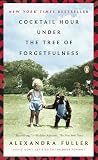
Cocktail Hour Under the Tree of Forgetfulness by Alexandra Fuller. My grandmother recommends pairing this book with a Rye Manhattan (with a frozen Michigan cherry biensur). This is the memoir of a girl growing up in Kenya (among other things of course). A quote from the book:
"A good host should never ask if their guest would like another drink, they should ask if 'they would like the other half.'"
Democratic Experiments in Africa: Regime Transitions in Comparative Perspective by Bratton and van de Walle.
Devil on the Cross by Ngugi wa Thiong'o.
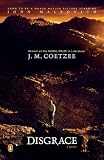
Disgrace by J.M. Coetzee. Recommended by Kenyan journalist and author Aidan Hartley. Be sure to read Hartley's excellent: The Zanzibar Chest
Elimination of Mercenarism in Africa edited by Sabelo Gumedze. Good luck finding this one on Amazon, but if you email me I will send you a digital (pdf) copy that I have.
Eminent Victorian Soldiers: Seekers of Glory by Byron Farwell.
Experimental Nations: Or, the Invention of the Maghreb by Réda Bensmaïa
First footsteps in East Africa: or, An exploration of Harar by Richard Francis Burton
Heart of the Hunter by Sir Laurens Van Der Post
Inhuman Bondage: The Rise and Fall of Slavery in the New World by David Brion Davis. Recommended by Hoyawolf:
The best single volume multi-disciplinary look at the trans-Atlantic slave trade. Pulitzer Prize winner.
In Arabian Nights: A Caravan of Moroccan Dreams by Tahir Shah, 2009.
Shah continues the story he began in his acclaimed memoir The Caliph's House, the tale of his family's move to Morocco, this time focusing on the traditional wisdom stories of Arabia, best known in the West through A Thousand and One Nights.
In Darkest Africa by Stanley
In the Heart of Africa by Duke Adolphus Frederick of Mecklenburg
Into Africa, a Guide to Sub-Saharan Culture and Diversity by Yale Richmond and Phyllis Gestrin
*It Happened on the Way to War: A Marine's Path to Peace by Rye Barcott.
It's Our Turn to Eat by Michaela Wrong. Recounts the story of John Githongo, who as part of the anti-corruption agency of the Kenyan government, uncovered widespread corruption.
Kim by Rudyard Kipling.
Machete Season: The Killers in Rwanda Speak by Jean Hatzfeld, 2006. This book features the testimony of 10 friends from the same village who spent day after day together, fulfilling orders to kill any Tutsi within their territory during the 1994 Rwandan genocide.
Man-Eaters of Tsavo by J.H. Patterson
Mr. Kipling's Army by Bryron Farwell
Politics and Society in Contemporary Africa by Naomi Chazan, et. al. Textbook covering political structures, social dynamics, ethnicity issues.
Prisoners of the Mahdi by Byron Farwell
Queen Victoria’s Little Wars by Byron Farwell, 1972. Covers British military expeditions in Africa, Asia and China. Excellent synopsis of interventions in South Africa and Ethiopia. An entertaining read.
*States and Power in Africa by Jeffrey Herbst. Will update with summary soon (11/15)
Survey of Subsaharan Africa: A Regional Geography by Harm J. De Blij
The Africans by David Lamb, 1987. Older classic, hilarious, insightful.
The Assassination of Lumumba by Ludo De Witte. Recommended by Mr. Okata. An account of Congo's sudden independence from Belgium and its rapid decent in chaos overseen by its colonial master. Recommend this book be read in conjunction with King Leopold's Ghost. Read in conjunction with King Leopold’s Ghost by Adam Hochschild.
The Black Man’s Burden: Africa and the curse of the Nation-State by Basil Davidson, 1992. Textbook covering nationalism and imposed statehood issues
The Blue Nile by Alan Moorehead.
The White Nile by Alan Moorehead.
The Challenge of Nationhood: A Collection of Speeches and Writings by Tom Mboyo, 1970.
The Dragon's Gift: The Real Story of China in Africa - Hardcover (Jan. 25, 2010) by Deborah Brautigam
The Famished Road by Ben Okri. This one comes highly recommended!
The Fate of Africa ('The State of Africa' in Europe) by Martin Meredith
The French Foreign Legion: A Complete History by Douglas Porch, 1991. Provides a background on French conquests of Benin and Madagascar. Also illuminates the history and culture of an enduring major actor in African history and current affairs.
The Great War in Africa by Byron Farwell.
The History of Rasselas, Prince of Abissinia by Samuel Johnson
The House at Sugar Beach: In Search of a Lost Africa Childhood by Helene Cooper. Recommended to me by a Navy Africa FAO.
The Land of Zinj by Captain Stigand.
The Last Storytellers: Tales from the Heart of Morocco by Richard Hamilton, 2011. Richard Hamilton has witnessed first-hand the death throes of this rich and captivating tradition and, in the labyrinth of the Marrakech medina, has tracked down the last few remaining storytellers, recording stories that are replete with the mysteries and beauty of the Maghreb.
The Lost World of the Kalahari by Sir Laurens Van Der Post
The Lunatic Express: An Entertainment in Imperialism by Charles Miller.
The Man Who Presumed: A Biography of Henry M. Stanley by Byron Farwell.
The Palm-Wine Drinkard and My Life in the Bush of Ghosts by Amos Tutuola, 1993. Drawing on the West African Yoruba oral folktale tradition, Tutuola described the odyssey of a devoted palm-wine drinker through a nightmare of fantastic adventure.
The Penguin Atlas of African History by Colin McEvedy, 1995. Excellent reference work, good ethnic maps.
The River War by Winston Churchill. Operations in the Sudan against the Maahdists.
The Scramble for Africa: White Man’s Conquest of the Dark Continent from 1876 to 1912 by Thomas Pakenham, 1991. Dry and long but an excellent explanation of the origins of colonial borders and colonial legacies.
The Story of the Gadsbys by Kipling
The Uganda Protectorate by Sir Harry Johnston
The Wretched of the Earth by Frantz Fanon
*The Zanzibar Chest by Aidan Hartley. My extensive notes on this excellent book are here.
*Things Fall Apart: A Novel by Chinua Achebe 1959. Classic fiction.
Through Masai Land by Joseph Thompson
Travels with a Tangerine by Tim Mackintosh-Smith. This is a book about Moroccan traveler Ibn Battutah's 29-year pilgrimage from his native Tangiers to Mecca.
Warfare in Independent Africa by William Reno.
Warlord Politics and African States by William Reno, 1998. Political theory regarding collapsed states.
Wars of Imperial Conquest by Bruce Vandevort.
Washing of the Spears by Donald Morris. Recommended by Hoyawolf:
Fantastic account from both Zulu and British perspectives of the Zulu Wars in the late 1800s. The definitive volume on the Zulu War.
*What is the What by Dave Eggers. Lost Boys of Sudan 'memoir.'
Women of Marrakech: Record of a Secret Sharer 1930-1970 by Leonora Peets, 1988.
West Africa
A History of West Africa 1000-1800. by Basil Davidson, 1977. Textbook. Useful reference.
A Long Way Gone: Memoirs of a Boy Soldier by Ismael Beah, 2007. Liberia, child soldier’s point of view.
Blood Diamonds by Greg Campbell. Nonfiction (thus unlike the movie). History of Sierra Leone’s civil war.
Colonial Conscripts: The Tillailleurs Senegalais in French West Africa 1857-1960 by Myron Echenberg, 1991. A must read if you’re assigned to French West Africa.
Educational Language Policy in Nigeria: A Critical Analysis by James Ibekwe, 2008. Recommended by SocioLingo Africa.
Phonetic Study of West African Languages by P. Ladefoged, 2009.
Segu by Maryse Conde. Historical fiction, West African empires mid-1800’s.
The Mask of Anarchy by Stephen Ellis, 1999. Liberia. Part history, part socio-cultural study.
The Trouble With Nigeria by Chinua Achebe, 1983. African leadership crisis.
This Child Will Be Great: Autobiography of Ellen Johnson by Sirleaf, 2009. Liberia, Africa’s first female president. Both insightful and an entertaining read.
This House Has Fallen: Midnight in Nigeria by Karl Maier, 2000. Anecdotal treatment of Nigeria.
Central Africa
A Plague of Caterpillars and the Innocent Anthropologist by Nigel Barley, 1983. British anthropologist in Cameroon, hilarious, insightful.
In the Footsteps of Mr. Kurz: Living on the Brink of Disaster in Mobutu’s Congo by Michela Wrong.
King Leopold’s Ghost by Adam Hochschild, 1998. Belgian Congo/Zaire, colonial horrors. Read with The Assassination of Lumumba by Ludo De Witte.
Shake Hands with the Devil by Romeo Dalliare. UN Force Commander’s account of the Rwandan genocide. Explains dynamics of UN C2 during crises and illuminates the genocide from the point of view of someone who was vainly trying to stop it. Depressing, but a must read nonetheless.
The White Man of God by Kenjo Jumbam, 2003 (African Writer’s Series). A Cameroonian village reacts to the arrival of missionaries.
The Wonga Coup by Adam Roberts, 2006. True story from Equatorial Guinea, reads like a spy thriller.
Tropical Gangsters: One Man’s Experience with Development and Decadence in Deepest Africa by Robert Klitgaard, 1990. Equatorial Guinea.
Part I, Page 25
We wish to Inform You That Tomorrow We Will Be Killed With Our Families by Philip Gourevitch. Anecdotal treatment of Rwandan genocide. Influential book for Rye Barcott, author of It Happened on the Way to War: A Marine's Path to Peace.
East Africa
Against All Odds: A Chronicle of the Eritrean Revolution by Dan Connell, 1993.
Commando: A Boer Journal of the Boer War by Deneys Reitz and JC Smuts A classic.
The Rise and Fall of the Zulu Nation by Laband.
Dangerous Beauty: Life and Death in Africa, True stories from a Safari Guide by Mark Ross, 2001.
Darfur: The Long Road to Disaster by Burr and Collins, 2006. Explains the interplay between Chad, Libya and Sudan. A necessary read if you’re going to one of those three countries.
Imperial Reckoning: the Untold Story of Britian’s Gulag in Kenya by Caroline Elkins, 2005. Very good history of the Mau-Mau rebellion. From a contributor: "This book has been panned by many scholars as providing figures that are at best suspect and at worst simply made up. This being said the book is read in East Africa so a knowledge of what it says and the allegations that it makes is perhaps a good thing even if the facts may or may not be correct. I am not saying that horrible things did not happen during the rebellion, read Baldwin's Mau-Mau Manhunt if you want evidence of excesses (even though that was not necessarily the intent of the author), I am simply saying that the allegations are that Imperial Reckoning evidenced shoddy research."
Infidel by Ayaan Hirsi Ali, 2007. Somali-born woman, refugee in Kenya, runs away from a forced marriage in Europe, becomes Dutch parliamentarian and outspoken critic of Islam’s treatment of women. Easy read and highlights many relevant issues.
Mau Mau man-hunt: The adventures of the only American who has fought the terrorists in Kenya by William Baldwin
Modern History of the Somali by I. M. Lewis. Recommended by Hoyawolf:
Probably one of the only Somali speaking white American historians who personally knew Siad Barre and most of the post-communist leadership/warlords.
Page 41
The Challenge of Nationhood: A collection of speeches and writings by Tom Mboya. Recommended by Rye Barcott in his book (page 41): It Happened on the Way to War: A Marine's Path to Peace.
Rogue Ambassador: An African Memoir by Smith Hempstone, 1997. Kenya.
Something of Value by Robert Ruark
The Law of the Somalias: A Stable Foundation for Economic Development in the Horn of Africa by Michael van Notten.
Southern Africa
A Complicated War: The Harrowing of Mozambique by William Finnegan, 1992.
Angola's Last Best Chance For Peace by Paul Hare. Recommended to me.
Birth by Peter Harris. A gripping account of the turbulent days preceding the first democratic elections in 1994 in South Africa.
Cry, The Beloved Country by Alan Paton. In search of missing family members, Zulu priest Stephen Kumalo leaves his South African village to traverse the deep and perplexing city of Johannesburg in the 1940s. With his sister turned prostitute, his brother turned labor protestor and his son, Absalom, arrested for the murder of a white man, Kumalo must grapple with how to bring his family back from the brink of destruction as the racial tension throughout Johannesburg hampers his attempts to protect his family.
Fighting for Justice by Jay Naidoo. Jay Naidoo was a tireless anti-apartheid campaigner in the 1980s, serving as the first General Secretary of Coastu, South Africa's largest union federation and the backbone of the internal mass struggles against apartheid. In 1993, he stepped down to lead twenty leaders from Cosatu into parliament on an ANC ticket, and was asked by Nelson Mandela to work as the Minister responsible for the Reconstruction and Development Programme, and then as the Minister of Communications. In 1999 Jay moved away from politics and entered the world of business, setting up the J&J Group, an investment and management company.
Like Lions They Fought: The Zulu War and the Last Black Empire in South Africa by Robert Edgerton, 1988.
Long Walk to Freedom. Autobiography of Nelson Mandela, 1994. It’s tough being an Africanist if you don’t know anything about South Africa or its greatest hero.
Kaffir Boy: The True Story of a Black Youth’s Coming of Age in Apartheid South Africa by Mark Mathabane, 1986.
Mukiwa: A White Boy in Africa by Peter Godwin. Growing up during the Zimbabwean war for independence.
Partner to History: The U.S. Role in South Africa's Transition to Democracy by Princeton Lyman. Recommended to me.
Rebels and Robbers: Violence in Post-Colonial Angola by Assis Malaquias, 2007. I know Assis personally and he is not only a gifted scholar and teacher but a great person. Book is about the political economy of violence in post-colonial Angola. This book provides the first comprehensive attempt at analyzing how the military and non-military dynamics of more than four decades of conflict created the structural violence that stubbornly defines Angolan society even in the absence of war. The book clearly demonstrates that the end of the civil war has not ushered in positive peace.
Pamwe Chete: The Legend of the Selous Scouts by LTC Ron-Reid Daly. Recommended by Army FAO LTC W. He said: This is by far, the best primer on counter-insurgency. A lucid, detailed, well written and accurate history of the formation and history of, arguably, the best counter-insurgency unit ever fielded by a Western military (albeit by Rhodesians in Africa). Also check out the website: http://www.theselousscouts.com/index2.php
Rags of Glory by Stuart Cloete.
From contributor: A novel of the Boer War; a good read and something that offers the Boer perspective on the war.
The Boer War by Thomas Pakenham. Definitive work on the topic. Thus it’s a bit long.
The Great Betrayal: The Memoirs of Ian Douglas Smith by Ian Smith
From contributor: Written by the former Prime Minister of Rhodesia, this book offers a splendid overview of the Rhodesian War, especially its latter years, albeit from the view of the minority government.
When A Crocodile Eats the Sun by Peter Godwin, 2006. Anecdotal account of Zimbabwe falling apart, 2000-2005.
Culture and Religion - Islam
Foreign Aid / Peacekeeping / Piracy
African Christianity: Its Public Role by Paul Gifford, 1998. Recent rise of Christianity,
African Religions and Philosophy by John Mbiti, 1990. Best overview of traditional religions and world view, Ugandan author.
Corporate Warriors: The Rise of the Privatized Military Industry by P.W. Singer, 2003.
Frontline Diplomacy: Humanitarian Aid and Conflict in Africa by John Prendergast, 1996. Describes pitfalls in humanitarian aid.
History of Islam in Africa by Levtzion and Pouwels.
Into Africa: Intercultural Insights by Richmond and Gestrin, 1998. Best overview of socio-cultural framework, guidebook for living and working with Africans.
Lords of Poverty: Power, Prestige, and Corruption in the International Aid Business by Graham Hancock, 1989. Older classic, still gives insight into aid dynamics.
Mozambique: UN Peacekeeping in Action, 1992-94 by Richard Synge. Recommended to me.
Oxford History of Islam by John Esposito. Recommended by Hoyawolf:
The standard on Islam in English by my former professor at Georgetown
Small Boats, Weak States, Dirty Money: Piracy and Maritime Terrorism in the Modern World by Martin Murphy.
The Bottom Billion by Paul Collier. Oxford press, 2007. Fascinating policy prescription for US approach to Africa. This will help you understand the debates swirling around in State and USAID.
The Development of Islam in West Africa by Mervyn Hiskett, 1984.
The Failure of Political Islam by Olivier Roy, 1994. Fundamentalism, integrisme, and extremism political influence.
Travels with a Tangerine by Tim Mackintosh-Smith. This is a book about Moroccan traveler Ibn Battutah's 29-year pilgrimage from his native Tangiers to Mecca.