FAO Quotables

"But being right, even morally right, isn't everything. It is also important to be competent, to be consistent, and to be knowledgeable. It's important for your soldiers and diplomats to speak the language of the people you want to influence. It's important to understand the ethnic and tribal divisions of the place you hope to assist."
-Anne Applebaum

Wednesday, April 10, 2013

Ibn Khaldun's "Muqadimmah: An Introduction to History" Table of Contents 1958

Here's the Ibn Khaldun's Muqadimmah: An Introduction to History Table of Contents (1958 version).  I scanned and uploaded the table of contents for each of the three volumes because I couldn't find it anywhere on the web.  Therefore, it's hard to tell if you should order it or not.
   The collection itself is a very ambitious history of the world and surrounding theoretical explanations.


LINK to Document:


Saturday, April 6, 2013

April 6th: 19 Years since the genocide in Rwanda and Eleven Things You Should Know About the Genocide in Rwanda

   April 6th: 19 Years since the genocide in Rwanda and

Eleven Things You Should Know About the Genocide in Rwanda


       A brutal and evil campaign started today 19 years ago.  Over the following 100 days, the Hutu government planned and sponsored the murder of nearly a million people: men and women, children and babies--most of them split open and hacked to death with machetes like this:


It's worthwhile to pause today and recall this heartbreaking tragedy and perhaps discuss it with 
your family and kids (once they are old enough).  When my daughters are older, I plan on sitting down with them each year and watching one of the films below, or discussing one of articles/books that I've listed below.  It's important that we acknowledge that this genocide occurred, that we analyze why and how it occurred, and that we recognize the brave sacrifices of the men and women who DID DO something during the genocide.  Finally, despite the rhetoric of "never again", its important to keep at the forefront of our dialogue that IT IS possible for such a genocide to occur again if we (i.e., the international community on the macro level and you and I on the micro level) don't remain diligent, vigilant and proactive.

Martin Luther King Jr.'s quote here is an apt one:
"In the end,
we will remember
not the words of our enemies,
but the silence of our friends."


Eleven Things You Should Know about the Genocide in Rwanda (and which I didn't know either until I wrote a paper about it):


1. In 100 days, Hutu extremists killed 800,000 men, women and children--507,000 of them Tutsis (77% of the registered Tutsi population).  That's about 11% of their population.  That would be the equivalent of 26 million people being killed in the US over a 3 month period.

2. The U.S. government (USG) acknowledged early on (on 28 April to be exact, when there were at least 100,00 already dead) that people were being slaughtered, but instructed its UN Ambassador to remain in "listening mode" and "not commit the USG to anything."

3. The best and most complete account of the genocide is the Alison Des Forges' (of HRW) Leave None to Tell the Story.

4. A shorter but equally excellent read is Samantha Powers' damning condemnation of the U.S. government's silence (i.e., inaction) in "Bystanders to Genocide" from the Atlantic Monthly.

5.The USG's belated humanitarian response (after the genocide was over) actual enabled many of the killers to escape the country through the refugee camps.

6.  Hutu hate radio broadcasts were used to incite and organize the killings--the USG had the capability to jam these broadcasts but deemed it too expensive.

7.  The NSA archive is a non-profit group run through George Washington University that archives thousands of previously classified documents (obtained through FOIA) that lend a primary source look into look at hundreds of events in our nation's history.

8.  Never again?  It could happen in Syria.

9.  What constitutes "justice" and reconciliation after the genocide is a lot different than you might imagine (See Gourevitch's top-notch New Yorker Article)

10. In 2001, there was a backlog of 100,000 perpetrators waiting to be tried--this is one reason Kagame instituted the gacaca "grass courts."

11.  President Clinton's March 1998 apology in Rwanda may have been technically accurate: "we in the United States and the world community did not do as much as we could have and should have done to try to limit what occurred," however, in reality the U.S. didn't just not do as much as it should have, instead officials in the U.S. government willfully and aggressively pressured the international community to not only withdraw peace-keeeping forces but also prevented others from intervening.

FILMS:
Most people have seen or are familiar with the superb movie Hotel Rwanda.


Another movie on the genocide is the vivid and heartbreaking Sometimes in April.  I wrote a paper evaluating the Raoul Peck's masterpiece here.


A few others that are on my "to watch" list are:
Shake Hands with the Devil: The Journey of Romeo Dallaire (2005)


Shake Hands with the Devil (2007)


That Spring in 1994: What I Remember—Recollections of the Rwandan Genocide

That spring in 1994, I was 15 years old and a freshman at Bedford High School in Massachusetts.   Searching my memory of that period, I can't uncover even a faded polaroid recollection to give witness to the murder of almost a million men, women, boys, girls and babies. 

That spring

I remember working as a bagger at the grocery store on Hanscomb Air Force Base. 
I remember fleeing the base theatre with my friend CJ after we lit up cigars during a movie.
I remember the field where I would play soccer by my school.

What I can recall

I close my eyes and I can smell the dusty paper of the grocery bags.
I close my eyes and I can feel my heart racing as we were chased out of the theatre.
I close my eyes and I can see the long and overgrown green grass of the soccer field.

That same spring

Nearly a million people's last breath and smell was rotten and rife with
sweat, urine, and blood.
Murderers crushed and ripped apart nearly a million hearts.
Murderers smashed shut nearly a million sets of eyes. 

That same spring

Millions of people

knew.

And millions of people did

nothing.

Today
            Today
                        Today
                                    Today
                                                          and everyday

I trudge with the grief of my own ignorance
like an iron yoke
on the shoulders
of my soul.

Monday, March 18, 2013

SECNAV Message Endorsing Value of the USN/USMC Foreign Area Officer Program

SECNAV Message Endorsing Value of the USN/USMC Foreign Area Officer Program


Last week the Secretary of the Navy (the Honorable Ray Mabus) released a message expressing his personal commitment to the USN and USMC FAO Program.  This is a HUGE deal for the FAO community and an important step for our future.

I've pasted the message below with some of my edits (I made some minor edits for readability prior to the message body (any additions are in italics), emboldened some portions, and added the hyperlinks).  

My takeaways first:

FAOs value within the Navy/Marine Corps hinges heavily on their LREC expertise. Therefore maintaining not just proficiency but a growing expertise in each of the three categories is paramount.  The challenge then is how to do so and what expertise means (how to quantify) for language, regional expertise and culture. 

Language: Able to plan and execute operations with foreign militaries and communicate strategic messaging throughout operations
Regional Expertise: Sophisticated understanding of the international environment
Culture (i.e. people--relationships): Able to facilitate close and continuing diplomatic interaction with foreign governments and defense leaders

FAO's past and continued impact:
Tactical: Planning and executing operations
Attaches: Representatives of service community leadership abroad
Security Cooperation Officers (SCOs): foreign assistance (IMET etc.) and theater security cooperation portfolios
Overseas Staffs: Influence international engagement and employment of U.S. forces
Beltway Staffs: Advise senior leadership

The viability of any community is heavily influenced by its flag officers (numerically and positionally):

"I AM COMMITTED TO ENSURING PERSONNEL MANAGEMENT PROGRAMS INCLUDE COMPETITIVE CAREER ADVANCEMENT FOR FAOS AND OPPORTUNITIES FOR SERVICE AT THE GENERAL/FLAG OFFICER RANK."

-----------------------------------------------------------------------------------------
DATE: 13 MAR 13 
FROM: SECNAV WASHINGTON DC
TO: ALL THE NAVY
INFO: COMMANDANT USMC AND CNO 
SUBJ: DEPARTMENT OF THE NAVY FOREIGN AREA OFFICER PROGRAMS 

REFERENCES:
DEPSECDEF/20050405:
DODD 1315.17 MILITARY DEPARTMENT FOREIGN AREA OFFICER PROGRAMS
UNSECDEF PERS AND READ/20070928:
DODI 1315.20 MANAGEMENT OF DEPARTMENT OF DEFENSE FOREIGN AREA OFFICER PROGRAMS
SECNAV/20130123:
SECNAVINST 1301.7 DEPARTMENT OF THE NAVY FOREIGN AREA OFFICER PROGRAMS
1. ADMIRALS, GENERALS, SENIOR EXECUTIVES, SAILORS AND MARINES. ON 23 JANUARY 2013, PURSUANT TO REFS A AND B, I APPROVED SECRETARY OF THE NAVY (SECNAV) INSTRUCTION 1301.7 (REF C), PROVIDING DIRECTION TO THE DEPARTMENT OF THE NAVY (DON) ON THE DEVELOPMENT AND SUSTAINMENT OF NAVY AND MARINE CORPS FOREIGN AREA OFFICER (FAO) PROGRAMS. THE INSTRUCTION UNDERSCORES MY PERSONAL COMMITMENT TO THE HEALTH AND FUTURE OF BOTH PROGRAMS AND THE CRITICAL IMPORTANCE OF THIS ELITE CADRE OF LANGUAGE, REGIONAL EXPERTISE AND CULTURE (LREC) SPECIALISTS TO THE DEPARTMENT. I DESIGNATED THE DEPUTY UNDER SECRETARY OF THE NAVY MR. BOB MARTINAGE (PLANS, POLICY, OVERSIGHT AND INTEGRATION) AS MY EXECUTIVE AGENT TO IMPLEMENT THIS INSTRUCTION. I WILL CONTINUE TO TAKE A PERSONAL INTEREST IN THESE PROGRAMS. 2. THE LESSONS OF THE PAST DECADE HAVE TAUGHT US THAT TRUST AND COOPERATION CANNOT BE SURGED, AND NEITHER CAN THE LREC SKILLS REQUIRED TO BUILD THESE LONG TERM RELATIONSHIPS. BUDGET REDUCTIONS AND THE DECREASED AVAILABILITY OF CONVENTIONAL FORCES GLOBALLY HIGHLIGHT THE IMPORTANCE OF FOSTERING RELATIONSHIPS WITH OUR INTERNATIONAL PARTNERS. TO ACHIEVE SUCCESS IN CURRENT AND FUTURE OPERATIONS, THE DON MUST BE PREPARED TO WORK WITH AN EXPANDING NUMBER OF COALITION PARTNERS IN A DIVERSE SET OF GEOPOLITICAL CONDITIONS AROUND THE WORLD. SUCCESS IN THESE OPERATIONS, AND ON THE ASYMMETRIC BATTLEFIELDS OF THE FUTURE, REQUIRES SPECIALIZED OFFICERS WITH A SOPHISTICATED UNDERSTANDING OF THE INTERNATIONAL SECURITY ENVIRONMENT, CAPABLE OF FACILITATING CLOSE AND CONTINUOUS MILITARY DIPLOMATIC INTERACTION WITH FOREIGN GOVERNMENTS AND THEIR DEFENSE ESTABLISHMENTS. ONLY THE BEST AND MOST HIGHLY QUALIFIED OFFICERS IN THE NAVY AND MARINE CORPS WILL BE SELECTED, EDUCATED, AND TRAINED FOR THIS MISSION. 3. DURING MY TENURE AS SECNAV, I HAVE OBSERVED FIRSTHAND THE CRITICAL WORK THAT NAVY AND MARINE FAOS DO EACH DAY AT SEA, ON THE FRONT LINES, AND AT OUR EMBASSIES AROUND THE WORLD. THE IMPACT OF THESE OFFICERS UPON U.S. FOREIGN POLICY, REAL-WORLD OPERATIONS, AND THE NATIONAL SECURITY OF THE U.S. CANNOT BE OVERSTATED. ON THE TACTICAL LEVEL, FAOS ARE INDISPENSABLE TO THE PLANNING AND EXECUTION OF OPERATIONS, INCLUDING FACILITATING EFFECTIVE COMMUNICATION WITH LOCAL POPULATIONS, AND LEVERAGING THEIR LREC SKILLS TO SHAPE STRATEGIC MESSAGING IN SUPPORT OF THESE OPERATIONS. AS ATTACHES, FAOS REPRESENT MYSELF, THE CHIEF OF NAVAL OPERATIONS, AND THE COMMANDANT OF THE MARINE CORPS TO THE FOREIGN SERVICE AND TO FOREIGN MILITARIES. AS SECURITY COOPERATION OFFICERS, FAOS MANAGE CRITICAL FOREIGN ASSISTANCE PROGRAMS WITH OUR ALLIES, INCLUDING FOREIGN MILITARY SALES; INTERNATIONAL MILITARY EDUCATION AND TRAINING PROGRAMS; AND THEATER SECURITY COOPERATION PORTFOLIOS, WHICH BUILD THE CAPACITY OF OUR INTERNATIONAL PARTNERS. ON THE STAFFS OF THE GEOGRAPHIC COMBATANT COMMANDS AND COMPONENT COMMANDS, FAOS DIRECTLY INFLUENCE INTERNATIONAL ENGAGEMENT AND THE STRATEGIC EMPLOYMENT OF OUR EXPEDITIONARY FORCES, TO INCLUDE PORT VISITS, JOINT EXERCISES, AND MILITARY-TO-MILITARY EXCHANGES. WITHIN THE OFFICE OF THE SECRETARY OF DEFENSE, JOINT STAFF, SERVICE STAFFS, AND THE INTERAGENCY, FAOS PROVIDE UNIQUE POLITICAL-MILITARY EXPERTISE TO SENIOR LEADERS, DIRECTLY SHAPING U.S. FOREIGN POLICY. BOTH SERVICES CAN BE JUSTIFIABLY PROUD OF THE TREMENDOUS ACCOMPLISHMENTS OF THESE WARRIOR-DIPLOMATS. 4. THE FUTURE OF THE NAVY AND MARINE CORPS FAO PROGRAMS IS STRONG. OVER THE PAST YEAR, THE NAVY INCREASED ITS INVENTORY OF FAOS TO 256 OFFICERS AND CONTINUES TO MATURE TOWARDS FULL OPERATIONAL CAPACITY. THE NAVY'S IMPLEMENTATION OF MILESTONE SCREENING CONTINUES TO STRENGTHEN AN ALREADY ROBUST AND PROVEN FAO CAREER PATH TO FLAG LEVEL. THE MARINE CORPS HAS ALSO MADE GREAT STRIDES. COMMAND SELECTION RATES FOR MARINE CORPS FAOS ARE ON PAR WITH THE SERVICE AVERAGE AND PROMOTION RATES ARE HIGHER THAN THE SERVICE AVERAGE. THESE STATISTICS REFLECT THE COMPETITIVENESS AND RIGOR OF THE FAO SELECTION PROCESS. I AM COMMITTED TO ENSURING PERSONNEL MANAGEMENT PROGRAMS INCLUDE COMPETITIVE CAREER ADVANCEMENT FOR FAOS AND OPPORTUNITIES FOR SERVICE AT THE GENERAL/FLAG OFFICER RANK. OUR WORK AS SENIOR LEADERS, HOWEVER, IS NOT FINISHED. I WILL CONTINUE TO RELY UPON THE LEADERSHIP OF BOTH SERVICES TO FULLY RESOURCE THESE PROGRAMS, ACTIVELY ENCOURAGE OUR BEST OFFICERS TO APPLY, AND ENSURE THAT FAOS ARE BEING UTILIZED IN THE MOST APPROPRIATE BILLETS FOR THEIR SKILL SET. IT IS A TASK THAT I AM CONFIDENT WE WILL ACCOMPLISH TOGETHER. 5. RELEASED BY RAY MABUS, SECRETARY OF THE NAVY.
Secretary Ray Mabus
CNO Greenert

Mr. Bob Martinage
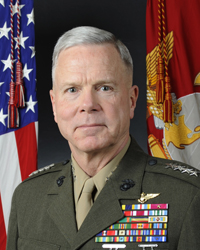
General Amos

Link to Message:

Friday, March 15, 2013

CRS Report: Ghana: Recent Developments and U.S. Relations JAN 2013

CRS Report: Ghana: Recent Developments and U.S. Relations JAN 2013
Excerpt:
Ghana: Bilateral Cooperation and Leadership Engagement
Ghana is considered a model for many of the outcomes that many Members of Congress have
long sought to achieve in sub-Saharan Africa in the areas of authorizations; appropriations and
program guidance; and oversight. Ghana has received a large U.S. Millennium Challenge
Corporation (MCC) Compact and may soon receive a second. It is also a recipient of substantial
U.S. Agency for International Development (USAID) and State Department bilateral aid, much of
which is channeled through three presidential development initiatives:

• the Global Climate Change (GCC) initiative;
• Feed the Future (FtF), a global food security and poverty reduction initiative; and
• the President’s Malaria Initiative (PMI) and the Global Health Initiative (GHI).

Ghana also hosts USAID and U.S. Drug Enforcement Agency (DEA) regional offices and the
USAID-administered West Africa Trade Hub. The Hub focuses on expanding intra-regional and
bilateral trade with countries in the region, a key area of current congressional interest and a pillar
of the Obama Administration’s U.S. Strategy Toward Sub-Saharan Africa, released in June 2012.
Ghana is also one of four initial Partnerships for Growth (PfG) countries. PfG, implementation of
which began in 2011 in El Salvador, is intended to advance public and private bilateral
cooperation with selected countries whose top leaders demonstrate commitment to good
governance and sustainable development. Ghana hosts regular visits by Members of Congress,
and in 2009 President Barack Obama signaled that ties remain close by traveling to Ghana, the
only sub-Saharan African country that he has visited as president.
Link to report.

Monday, March 11, 2013

Malagasy Romantic Poet Rabearivelo's "I" from "From the Night"


Malagasy Romantic Poet Rabearivelo's "I" from From the Night

I
A scarlet star
evolves in the depths of the sky--


what flower blooms in the prairie of the night?
Evolves, evolves,
then becomes like a kite released by a sleeping child.

It seems to drift both nearer and farther away,
loses its color like a drooping flower,
becomes cloud, becomes white, diminishes:
is no more than a diamond point
graving the blue mirror of the sky
where the glorious lure
of the nubile morning is already seen.


Other Madagascar Posts:
"Lunar Images" from Rabearivelo's From the Night
"Fruits" from Rabearivelo's Almost-Dreams
"9" from Rabearivelo's From the Night
"51" from Rabearivelo's Old Songs From Imerina Lands
"Zebu"from Rabearivelo's Almost Dreams
Peace Corps Vignette on Mango Season in Madagascar
Business Case Study on Mango Production in Madagascar

African Poets of the Week Compilation

Monday, March 4, 2013

CRS Report: Algeria Current Issues (Alexis Arieff)

CRS Report: Algeria Current Issues (Alexis Arieff)

https://docs.google.com/file/d/0B4BE1_xKfeEUMEhSVzJSTzBtZjA/edit?usp=sharing